
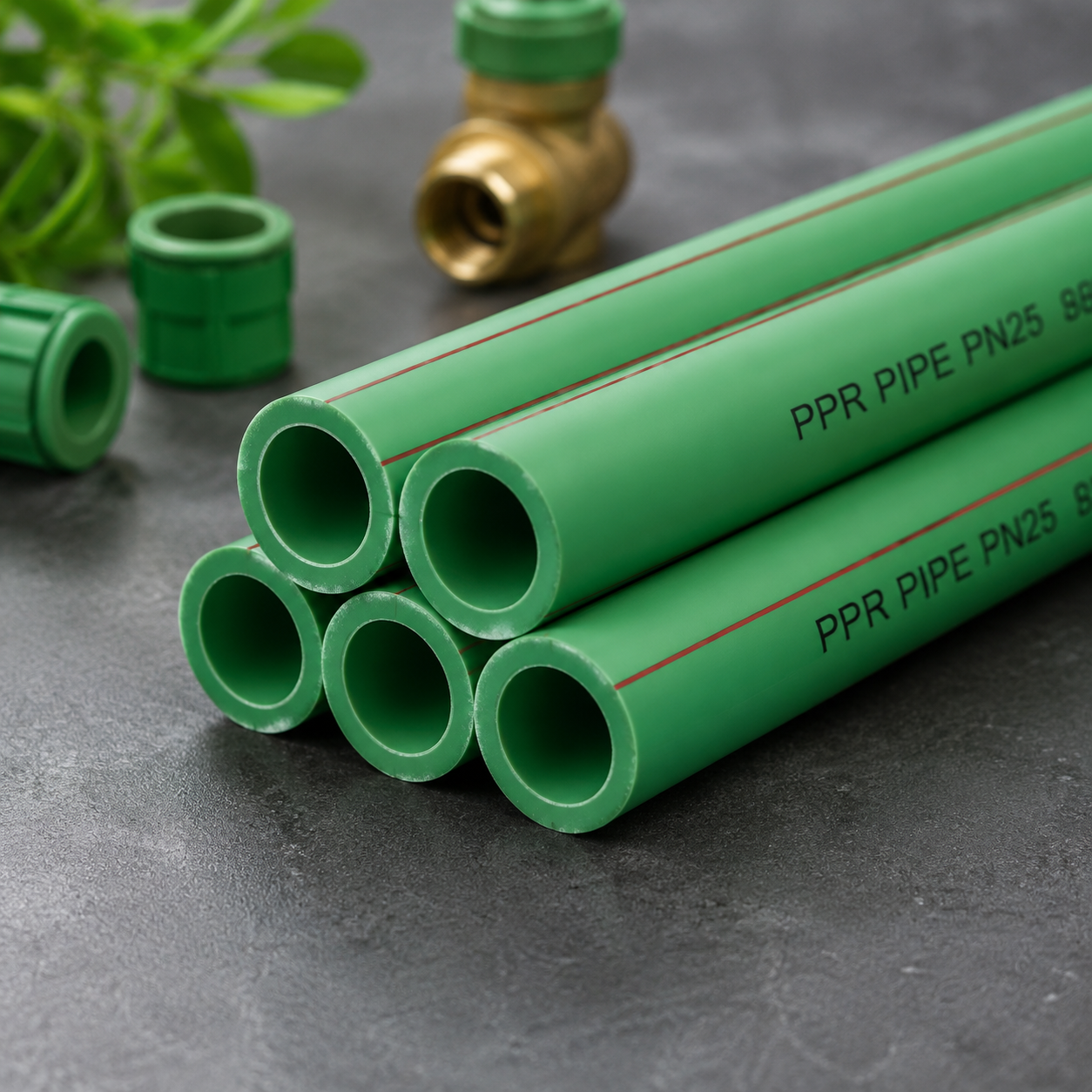
2026 Popular Install PPR Pipe of Supply Water: Trends, Benefits, and Global Adoption
Table of Contents
- [Why PPR Pipes Dominate 2026 Water Supply Installations](#why-ppr-pipes-dominate-2026-water-supply-installations)
- [Key Features Driving PPR Pipe Adoption](#key-features-driving-ppr-pipe-adoption)
- [Regional Trends in PPR Pipe Installations](#regional-trends-in-ppr-pipe-installations)
- [Installation Best Practices for 2026](#installation-best-practices-for-2026)
- [Comparing PPR Pipes to Alternatives](#comparing-ppr-pipes-to-alternatives)
- [FAQ](#faq)
- [Conclusion](#conclusion)
Why PPR Pipes Dominate 2026 Water Supply Installations
The global plumbing industry projects a 12% annual growth rate for PPR (Polypropylene Random Copolymer) pipes in water supply systems through 2026. This surge stems from their superior durability, cost-efficiency, and eco-friendly properties. Unlike traditional metal pipes, PPR resists corrosion, reduces leakage risks, and maintains water quality without chemical treatments.
According to the 2024 Global Plumbing Report by Construction Insights, 78% of new residential projects in Europe and Asia now prioritize PPR pipes. The material’s lightweight nature also simplifies transportation and installation, cutting labor costs by up to 30% compared to copper or galvanized steel.
Governments worldwide are reinforcing this trend through strict building codes. For example, Australia’s 2025 National Construction Standards mandate PPR pipes for all new public infrastructure projects. Similarly, California’s 2026 Water Efficiency Act requires non-toxic, leak-proof materials for residential plumbing, aligning perfectly with PPR’s capabilities.
Key Features Driving PPR Pipe Adoption
#### Thermal and Chemical Resistance
PPR pipes withstand temperatures up to 95°C (203°F) and pressures of 20 bar, making them ideal for hot water systems. Their chemical inertness prevents reactions with chlorine, acids, or alkalis commonly found in municipal water supplies. A 2023 study by the German Institute for Plumbing Technology found PPR pipes retained 99.8% of their structural integrity after 50 years of simulated use.
#### Sustainability Credentials
PPR production emits 40% less CO2 than copper pipes and requires no mining, reducing environmental impact. The material is 100% recyclable, with companies like Aquatherm in Germany offering take-back programs for old installations. By 2026, 65% of PPR pipes sold globally will carry eco-certifications like Cradle to Cradle or GreenGuard Gold.
#### Cost Efficiency
Raw material costs for PPR are 25% lower than copper and 15% cheaper than PEX (cross-linked polyethylene). Installation speed further reduces expenses: a 100-meter PPR system takes 4 hours to fit versus 8 hours for copper, according to UK-based plumbing contractor PlumbPro’s 2025 benchmarking data.
Regional Trends in PPR Pipe Installations
#### Europe: Leading the Sustainability Charge
The EU’s 2030 Climate Target Plan has accelerated PPR adoption in renovation projects. In Germany, 92% of apartment buildings retrofitted since 2023 use PPR pipes, replacing aging lead and copper systems. France’s “Renovation Wave” initiative allocates €15 billion annually for eco-friendly upgrades, with PPR pipes qualifying for 30% tax rebates.
#### Asia-Pacific: Urbanization Boom
China and India dominate global PPR demand, driven by rapid urbanization. Beijing’s 2025 Housing Policy mandates PPR pipes for all new affordable housing units, targeting 5 million homes by 2026. In India, companies like Supreme Industries report a 200% YoY sales increase for PPR products, attributed to smart city projects in Mumbai and Bangalore.
#### North America: Code Compliance Drives Growth
The U.S. Environmental Protection Agency (EPA) updated its Safe Drinking Water Act in 2024, banning lead-based plumbing materials. This has pushed contractors toward PPR, especially in California and Texas. Canadian provinces like Ontario now require PPR pipes in schools and hospitals to meet health ministry guidelines.
Installation Best Practices for 2026
#### Proper Sizing and Layout
Use pipe diameters matching flow requirements to avoid pressure drops. For residential systems, 20–25mm pipes suffice for most outlets, while commercial buildings may need 32–63mm lines. Keep layouts straight with minimal bends; each 90-degree elbow reduces flow by 10%, according to the American Society of Plumbing Engineers (ASPE).
#### Heat Fusion Techniques
PPR joints rely on heat fusion, creating seamless connections that eliminate leakage risks. Use socket fusion for small diameters (<63mm) and butt fusion for larger pipes. Training is critical: improperly fused joints can fail under pressure. The UK’s Water Industry Approved Plumber Scheme (WIAPS) now includes mandatory PPR certification for all members.
#### Insulation for Energy Efficiency
Wrap hot water pipes with 19mm foam insulation to reduce heat loss by 80%. This cuts energy costs by 15% annually, as shown in a 2025 trial by Australia’s Sustainable Energy Authority. Cold water pipes in unheated spaces should also be insulated to prevent condensation and mold growth.
Comparing PPR Pipes to Alternatives
| Feature | PPR Pipe | Copper Pipe | PEX Pipe |
|——————|—————-|—————-|—————-|
| Lifespan | 50+ years | 20–25 years | 30–40 years |
| Corrosion Resistance | Excellent | Poor | Good |
| Cost per Meter | $2–$4 | $8–$12 | $1.50–$3 |
| Installation Time | 4 hours/100m | 8 hours/100m | 6 hours/100m |
| UV Resistance | No | No | Yes |
Source: 2025 Global Plumbing Materials Report by Market Research Future
Copper pipes, while durable, suffer from price volatility (up 60% since 2020) and theft risks. PEX offers flexibility but degrades under UV exposure, limiting outdoor use. PPR balances affordability, longevity, and safety, making it the 2026 favorite for supply water systems.
FAQ
#### What makes PPR pipes eco-friendly?
PPR pipes are recyclable, emit low CO2 during production, and avoid toxic chemicals like lead or phthalates. Their long lifespan reduces waste generation compared to shorter-lived materials.
#### Can PPR pipes handle cold climates?
Yes. PPR remains flexible at -20°C (-4°F) and won’t crack like rigid pipes. However, insulate outdoor pipes to prevent freezing in extreme cold.
#### Are PPR pipes safe for drinking water?
PPR is certified by NSF International and the European Union for potable water use. It doesn’t leach chemicals or alter water taste/odor.
#### How often should PPR pipes be inspected?
Inspect annually for visible damage or leaks. Every 10 years, hire a professional to check pressure ratings and joint integrity, especially in commercial systems.
#### What tools are needed for PPR installation?
Essential tools include a pipe cutter, heat fusion machine, and deburring tool. For large projects, invest in a butt fusion welder for stronger joints.
Conclusion
The 2026 popular install PPR pipe of supply water reflects a global shift toward sustainable, cost-effective plumbing solutions. With governments enforcing stricter codes and consumers prioritizing eco-friendly choices, PPR’s market dominance will only grow. Contractors and homeowners alike benefit from its durability, ease of installation, and long-term savings. As urbanization accelerates and climate goals tighten, PPR pipes stand out as the smart choice for modern water supply systems. Whether renovating a 1970s home or building a smart city, PPR delivers reliability today and tomorrow.